

I study how to stay human in a world changing faster than we are.
As Seen On:







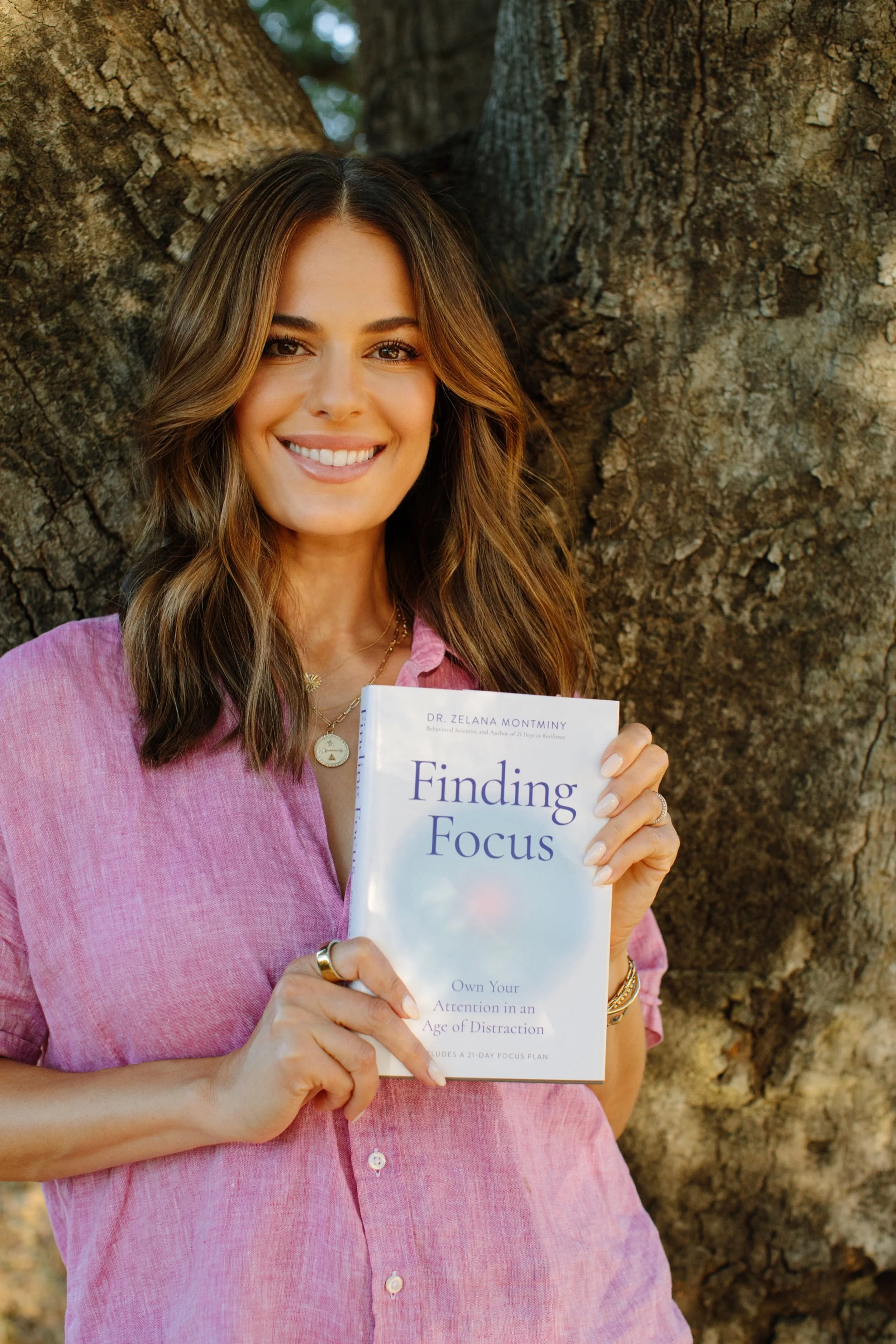
Dr. Zelana’s New Book
Finding Focus
“A rallying cry for those feeling lost in a world that commodifies attention.”
Available Everywhere
Praise for
Finding Focus
-
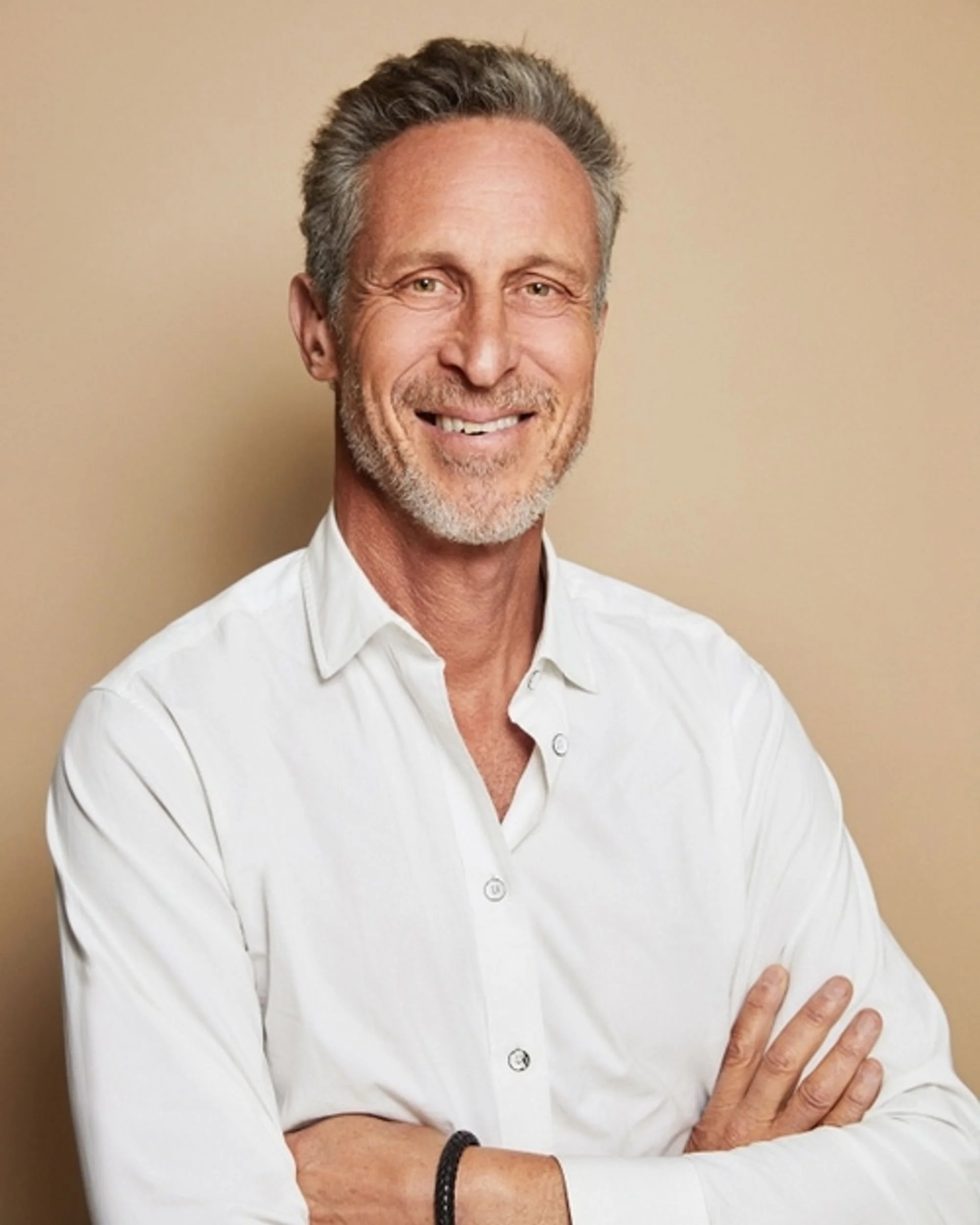
![A middle-aged man with gray hair and a beard, wearing a white button-up shirt, smiling with arms crossed in front of a beige wall.]()
“Finding Focus is an essential read for our distracted times. Focus begins with the body—how we eat, sleep and exercise—and Dr. Montminy translates the latest research into practical steps and simple behavioral changes that will empower you to reclaim your attention.”
Mark Hyman, MD, Author of the #1 New York Times best seller, Young Forever
-
![A woman smiling with shoulder-length brown hair, wearing pink glasses, gold earrings, and a navy blue top.]()
“Zelana put her life's work into creating a comprehensive guide for better living, which is both engaging and enjoyable to read. Her advice covers key aspects of life, including nutrition, sleep, exercise, work, and, most importantly, maintaining focus in a world full of distractions. Her guide is practical and captivating—I read it in one sitting.”
Ayelet Fishbach, PhD, Professor of Behavioral Science, author of Get It Done: Surprising Lessons from The Science of Motivation
-
![Young male athlete celebrating after a race, wearing a blue USA track uniform with the name Frech.]()
"This book is brilliant. Without focus, we can't achieve our goals, or even worse, we set lower goals and achieve them but leave potential on the table. Dr. Zelana gives us the understanding and tools to focus and achieve the life of our dreams."
Ezra Frech, 2x Paralympic Gold Medalist
-
![A man with light brown hair, wearing a dark suit jacket and white shirt, smiling outdoors with greenery in the background.]()
“Filled with helpful applications and science-packed insights, this practical guide to improving our mental focus empowers us to create real changes in our daily lives that can improve our mental and physical health. Engaging and easy-to-understand-and-implement, the advice in Zelana Montminy’s exciting book provide key steps to enable us to take on the ever-changing challenges of our modern lives with a clear path to resilience.”
Daniel J. Siegel, M.D., Founder of Mindsight Institute and Whole Mind Catalyst, New York Times bestselling author of Aware; Personality and Wholeness in Therapy; and IntraConnected


I’m Looking for Articles On:
Type of Article
Featured
You do not have to feel fully healed or renewed to move forward. This article explores emotional processing, nervous system regulation, and how true renewal during seasonal transitions unfolds gradually through integration rather than instant transformation.